
Introduction:
Imagine, a homeowner grabs their phone, types “HVAC near me” into Google… and boom, your competitor shows up right at the top. Meanwhile, your business? Nowhere to be seen. Page 2. Maybe page 3.
Feels unfair, doesn’t it? You’re out there sweating through summer AC repairs, keeping families cozy in the winter, and giving customers your best service. Yet online, it almost looks like you don’t exist.
Here’s the real kicker, most people won’t even scroll past the first page of Google. If you’re not there, you’re basically handing jobs over to the other guys. Not because they’re better at HVAC—just because they’ve figured out how to show up online.
But here’s the good news, ranking higher on Google isn’t some mysterious tech wizardry if you truly want to rank higher on Google for HVAC. You don’t need a huge budget and you definitely don’t need to be a “computer genius.” What you do need is the right strategy and a little consistency.
That’s exactly what this blog is about. We’re going to walk through the exact steps HVAC companies can use to climb the rankings, get seen by local homeowners, and book more jobs. No jargon. No fluff. Just practical, easy-to-follow tips.
Sounds good? Let’s dive in and get your HVAC business on that first page where it belongs.
1. Optimize Your Google Business Profile to Rank Higher on Google for HVAC
Suppose, when a homeowner types “AC repair near me” or “HVAC service Baltimore,” the first thing that pops up isn’t your website, it’s Google’s map results (a.k.a. the “local pack”). And if your HVAC company isn’t showing up there, you’re missing out on a ton of calls.

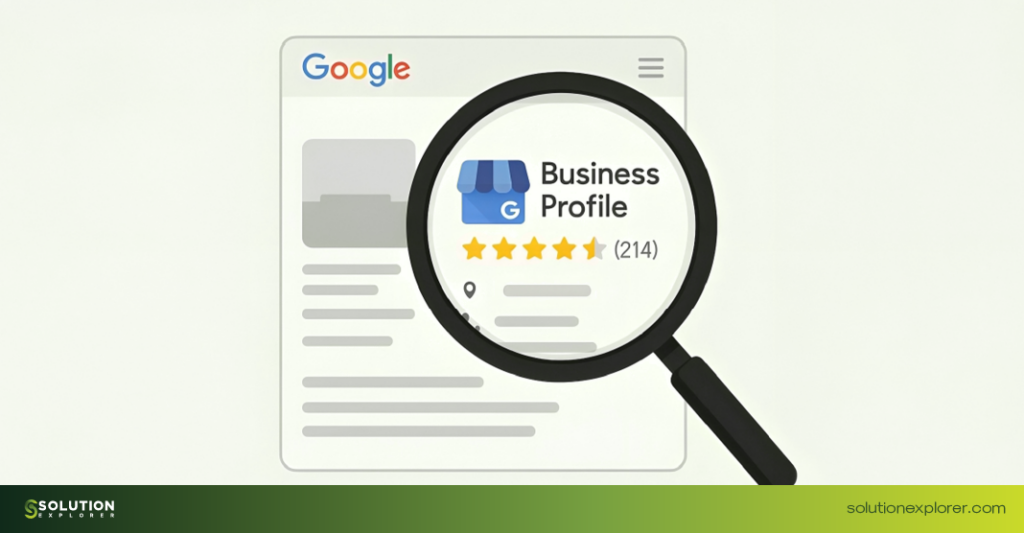
The secret? Your Google Business Profile (GBP). Think of it as your online storefront. If it’s messy, outdated, or incomplete, Google (and your customers) won’t take you seriously.
Here’s how to fix that:
Claim & Verify Your Profile
If you haven’t already, go claim your business on Google right now. Verified businesses instantly look more legit and rank higher in local searches.
Keep Your Info Spot-On
Your name, address, phone number (NAP), website, and hours need to be accurate—down to the last detail. Even something tiny like “St.” vs. “Street” can throw Google off.
Use Keywords That Actually Match What You Do
Don’t just say “We are an HVAC company.” Be specific: “We provide HVAC repair, furnace installation, and AC maintenance in Baltimore.” This way, Google knows exactly what services you offer and customers instantly see if you’re what they need.
Show Off With Photos & Updates
Profiles with photos get 42% more requests for directions and 35% more clicks. Snap pics of your team, your trucks, or before-and-after shots of jobs. People love seeing the “real you,” not just a logo.
Collect & Respond to Reviews
Reviews aren’t just nice words, they’re gold for local SEO. Ask your happy customers to leave one. And here’s the trick, always reply. A quick “Thanks for choosing us!” goes a long way. Even if it’s a not-so-great review, responding shows you care.
Your Google Business Profile is often the first impression people get of your HVAC company. Keep it clean, updated, and welcoming and you’ll already be miles ahead of competitors who treat it like an afterthought.
2. Collect & Respond to Reviews Like a Pro
The truth is when a homeowner searches “HVAC repair near me,” the first thing they look at isn’t your logo or your fancy truck wrap. It’s your reviews.
Good reviews don’t just boost credibility; they’re one of the biggest signals Google uses to decide whether you deserve a top spot in local search.
Here’s how to make reviews your HVAC superpower:
Ask at the Right Moment
Timing is everything. Don’t just drop a “Hey, can you leave us a review?” email weeks later. Ask right after the job is done, when the AC is blowing cold or the furnace is finally humming again. That’s when customers are happiest and most likely to say yes.
Pro tip: train your techs to say, “If you’re happy with our service today, would you mind leaving us a quick Google review? It really helps local families find us.” Simple, natural, and effective.
Make It Stupid-Easy
Don’t expect customers to hunt for your Google page. Send them a direct link (Google gives you one in your Business Profile dashboard). Better yet, create a QR code your techs can hand out on a business card or sticker. Scan, click, review—done.
Respond to Every Review (Even the Ugly Ones)
A lot of HVAC businesses make the mistake of ignoring reviews. Big mistake. When you reply, you’re not just talking to the reviewer. You’re showing every future customer that you care.
- Good review? Thank them and mention the service. “Thanks for trusting us with your AC repair in Baltimore, Sarah! We’re glad you’re staying cool now.”
- Bad review? Don’t argue. Stay calm, professional, and show you’re willing to fix the issue. Often, a thoughtful reply can turn a critic into a repeat customer.
Use Tools to Make Life Easier
Manually asking for and tracking reviews can be exhausting. That’s where reputation management tools come in:
- Podium, Birdeye, or NiceJob → These automate review requests via text/email after a job.
- Google Business Profile Alerts → Turn on notifications so you never miss a new review.
- Zapier Automations → Connect your CRM (like Housecall Pro or Jobber) to automatically trigger review requests when a job is closed.
Don’t Just Collect—Leverage
Once you’ve got those glowing 5-star reviews, show them off.
- Add them to your website homepage and service pages.
- Share them on social media (with the customer’s first name).
- Include them in email campaigns (“Here’s what Baltimore homeowners say about us…”).
Think of reviews like online word-of-mouth. The more you stack up, the more trust (and jobs) you’ll win.
3. Be the Go-To HVAC Pro in Your City
Local SEO Strategies to Rank Higher on Google for HVAC
We’ve already covered the basics. Location pages, citations, “near me” keywords. That’s good, but if you really want to outrank competitors and dominate your local market, you’ve got to level up.

Think of it like this: the basics put you on the map, but these advanced strategies? They’ll make you the trusted HVAC name homeowners think of first.
Here’s your advanced playbook
Hyper-Local Content (Show Customers You Truly Get Them)
Anyone can write a blog like “How to Save on Your Energy Bill.” Snooze. What actually gets attention (and Google love) is hyper-local content that speaks directly to your community.
Examples:
- “Best Thermostat Settings for Baltimore Winters”
- “How Houston Humidity Wreaks Havoc on Your AC”
- “5 Signs Your AC Can’t Handle Miami Summers”
When homeowners read this, they’ll feel: “Wow, this company really understands my city, my problems, and my needs.” And Google rewards that local authority.
Optimize for Voice Search (Because People Talk Differently Than They Type)
More and more homeowners are asking Siri, Alexa, or Google for help. And they don’t type stiff phrases—they speak naturally.
Think:
- “Who’s the best HVAC repair near me?”
- “AC not cooling, who can fix it fast in Denver?”
To catch these searches, build an FAQ section with Q&A-style content. Use conversational headings like:
“Who do I call for emergency furnace repair in Chicago?”
Then give short, clear answers. That’s what Google grabs for voice snippets and it gets you in front of high-intent customers instantly.
Smarter Keyword Research with AI & SEO Tools
Stop guessing what people type into Google. Tools like Semrush, Ahrefs, or even ChatGPT can dig up hidden gems you’d never think of, like:
- “emergency AC repair Baltimore 24/7”
- “furnace tune-up cost near me”
- “ductless AC installation in Queens”
Pro tip: Focus on long-tail, location-based keywords. They’re less competitive but attract homeowners who are ready to call today, not just browse.
Scale Reviews with Reputation Management Tools
Yes, reviews matter, wee already said that. But here’s how to play smarter:
- Tools like Birdeye, Podium, or NiceJob can automatically send a text/email after a job asking for reviews.
- You can reply to Google, Yelp, and Facebook reviews all in one place.
- Some tools even filter out unhappy feedback privately before it ever goes public.
The result? A steady stream of 5-star reviews that builds trust, boosts SEO, and makes you the obvious choice over competitors.
Use Geo-Tagged Images (SEO’s Secret Weapon)
This one’s sneaky but powerful. Every time you upload a photo—whether it’s your team, your van, or an install—make sure it’s geo-tagged with location data.
So when Google sees your tech fixing an AC in Baltimore, it knows you’re active in Baltimore. It’s like planting little “we work here” flags all over your city. Tools like GeoImgr make it super easy.
Local Landing Pages + Paid Boost
Here’s a pro move: Create city-specific landing pages (like “HVAC Repair in Towson”) and give them a little push with Google Ads.
Why?
- Ads drive local traffic to the page.
- People engage through click, call, book.
- Google sees those signals and says: “This page is valuable for Towson searches.”
Over time, your organic rankings climb. So you’re not just paying for visibility, you’re building it long-term.
Community Engagement Signals (Offline Matters Too!)
Google isn’t just looking online. It notices offline buzz too. Want a local edge? Get your business mentioned in:
- Local news sites (“HVAC Company Sponsors High School Football Team”)
- Community blogs or podcasts
- Partnerships with plumbers, electricians, or other service providers
These mentions give you backlinks + authority, which push you higher in local search.
Local SEO isn’t just about stuffing your city’s name onto a page. It’s about proving you’re the trusted HVAC company in your community. Do that with hyper-local content, smart tech, real reviews, and community signals and watch how quickly your phone starts ringing.
4. Your Website: Don’t Just Exist | Convert Visitors into Customers
You know, most HVAC websites look like they were built back in the dial-up days. Outdated designs, slow load times, or worse; no clear way for someone to actually book a service.
But here’s the truth: your website is your 24/7 digital salesperson. If it’s clunky, confusing, or boring, you’re losing jobs before the phone even rings.
Think about it. When homeowners are hot, sweaty, and desperate because their AC just died, the last thing they want is to click around a messy site. They want:
“Can I call right now?”
“Can I book an appointment fast?”
“Can I trust these people?”
If your site answers those questions instantly, you win. If not, they hit the back button and call your competitor.
Here’s how to turn your website into a customer magnet:
1. Speed is non-negotiable.
Nobody waits for slow sites. If your pages take more than 3 seconds to load, visitors bounce. Use tools like Google PageSpeed Insights to test and fix speed issues.
2. Make mobile your #1 priority.
Most HVAC searches happen on phones. Your site needs to look clean and work flawlessly on mobile—easy menus, big buttons, and click-to-call features.
3. Clear calls-to-action (CTA) everywhere.
Every page should have a no-brainer action:
- “Call Now” button
- “Book Service” form
- “Request a Free Quote”
Don’t make people hunt for it, make it obvious.
4. Show proof you’re legit.
Display reviews, certifications, awards, and even your smiling team photos. Homeowners trust faces way more than faceless stock photos.
5. Use simple, customer-first language.
Skip the technical jargon like “HVAC load calculations.” Instead, say: “We’ll get your AC running fast, so your family stays cool.” Speak their language.
6. Add live chat or chatbots.
Sometimes people don’t want to call. A simple “Chat with us now” box can catch leads that would otherwise slip away.
Your website shouldn’t just sit there like a digital brochure. It should actively turn clicks into calls, and visits into booked jobs.
Think of it like this: If your website was a technician, would you keep it on your team? If the answer is “no,” it’s time for a tune-up.
5. Run Smart Local Ads
Most HVAC companies burn cash on ads because they boost a random Facebook post or run a one-size-fits-all Google campaign. The result?
- Calls from people 50 miles away.
- Wasted clicks that never turn into jobs.
- Empty promises from ads managers.
The fix? Smart Local Ads, laser-focused campaigns that actually reach the homeowners who need you.
Google Search Ads (Be There When They Need You Most)
This is where you show up when someone types “AC repair near me” at 10PM on a hot summer night.
- Best For: Emergency services, high-intent keywords (“furnace repair Chicago,” “AC tune-up near me”).
- Pro Tip: Bid on service + city keywords. Example: “AC repair Baltimore.”
- Landing Pages: Don’t just send them to your homepage. Create a page that matches the ad (“AC Repair in Towson – Fast & Reliable”).
Google Local Services Ads (Pay Per Call, Not Click)
Ever notice those ads with the green Google Guaranteed badge at the very top? That’s Local Services Ads (LSA).
- Best For: Companies that want more calls without worrying about wasted clicks.
- Why It Works: You only pay when someone actually calls you.
- Extra Trust Factor: That green badge screams credibility. Homeowners know Google already vetted you.
Facebook & Instagram Ads (Great for Awareness + Seasonal Promos)
Facebook isn’t where people type “fix my AC now,” but it’s powerful for staying top of mind.
- Best For: Seasonal promotions (“Spring Furnace Check-Up – $79”) or educating homeowners.
- Targeting Options: Run ads by zip code, homeowner status, or even income level to zero in on your ideal customers.
- Pro Tip: Use short videos (your tech explaining a tip, or before/after project shots). They build trust way faster than text.
Key Ingredients for Any Platform
- Target by Zip Code or Service Radius – Don’t waste money outside your area.
- Use Real Offers – Homeowners love urgency: “Book by Friday and save $50.”
- Track Results – Use call tracking (CallRail, WhatConverts) so you know which ads make the phone ring.
- Support SEO – Run small ad campaigns for new landing pages (like “AC Installation in Plano”). Traffic + engagement helps those pages rank organically too.
Bottom Line:
Don’t just “do ads.” Do smart ads. Each platform has its role:
- Google Search = capture urgent intent.
- Google LSA = pay for real calls.
- Facebook/Instagram = build trust and promote offers.
Used together, they don’t waste money. They keep your team’s schedule full year-round.
Bonus Section: Advanced Tips to Stay Ahead
You’ve already nailed the basics, Google Business Profile, local keywords, reviews, and ads. But the truth is every serious HVAC company is doing the same basics.
If you really want to outrank your competitors and stay ahead long-term, it’s time for some advanced tactics most HVAC businesses ignore.
1. Use Schema Markup | Help Google Understand You Better
Think of schema as giving Google a cheat sheet about your business.
- LocalBusiness schema → tells Google you’re an HVAC company in a specific city.
- Service schema → adds your services like AC repair, furnace installation, duct cleaning.
- FAQ schema → can show expandable Q&A directly in Google search results.
Result? Richer search results, higher click-through rates, and homeowners immediately trust your expertise.
2. Create a Seasonal Content Calendar | Match the Demand
HVAC needs change with the seasons, and your content should too.
- Spring: “Why Spring is the Best Time for an AC Tune-Up.”
- Summer: “How to Survive Dallas Summers Without Overworking Your AC.”
- Fall: “Furnace Maintenance Checklist Before Winter Hits.”
- Winter: “Top 5 Signs You Need Emergency Heating Repair in Chicago.”
Publishing content ahead of each season helps Google index it early, and homeowners see your business right when they need it most.
3. Geo-Tagged Photos & Videos | Show You’re Local
Uploading photos is good, but geo-tagged photos are better.
- Every photo or video you upload (on your website or Google Business Profile) should have location data.
- Example: Your tech fixing an AC in Houston → photo tagged with Houston coordinates.
- Tools like GeoImgr make this super easy.
Google sees you’re active in the area and rewards your local visibility.
4. Automate Review Requests | Keep Reviews Flowing
We know reviews matter. But instead of chasing customers manually:
- Tools like Podium, Birdeye, or NiceJob send automated texts or emails after a service.
- Happy customers leave Google reviews, upset ones vent privately.
- You can reply to all reviews from one dashboard.
Result: A steady stream of positive reviews that keeps competitors scrambling.
5. Track Rankings & Tweak Monthly | SEO is a Journey
SEO isn’t “set it and forget it.”
- You can use tools like Semrush, Ahrefs, or BrightLocal to track which keywords you’re winning or losing.
- If “AC repair Dallas” drops in rank, refresh content, add backlinks, or run ads to boost it.
- If you can do a quick monthly check (10 minutes), it keeps you miles ahead.
Homeowners notice too, they see your business as active and trustworthy.
6. Partner With the Local Community – Online + Offline
Google values real-world authority as much as online signals.
- Sponsor local events or school sports → get mentions in local news.
- Partner with plumbers, electricians, or roofing companies for cross-promotions.
- Pitch local bloggers or podcasts to feature your expertise.
Each mention and backlink signals Google that you’re not just “another HVAC company”, you’re the trusted HVAC expert in town.
Ranking higher isn’t about hacks. It’s about showing Google (and your community) that you’re trustworthy, active, and relevant.
These advanced strategies separate “just another HVAC company” from the one that dominates Google’s first page year after year.
How to Consistently Rank Higher on Google for HVAC
Ranking higher on Google isn’t about luck, fancy tricks, or throwing money at ads. It’s about showing up consistently, playing smart, and proving to Google that you’re the HVAC pro your community can rely on.
You already know how to keep homes cool in the summer and warm in the winter. But here’s the kicker: if people can’t find you online, all that expertise doesn’t matter when they’re searching for help fast.
Start with the basics that actually make a difference:
- You can Keep your Google Business Profile spotless, updated, and full of helpful info.
- You need to use location-based keywords and make your website fast, mobile-friendly, and easy to navigate.
- You must collect reviews, respond to every single one, and run smart local ads that reach the right people in your service area.
Then, level up with advanced strategies:
- You have to add schema markup so Google clearly understands what you do.
- You need to create a seasonal content calendar to show up when homeowners need you most.
- You must use geo-tagged photos and videos to prove you’re active and local.
- Automate review requests so you’re building trust 24/7 without chasing anyone down.
- Partner with your community, such as; sponsor events, collaborate with other local businesses, or get mentioned in local news. These small moves signal authority to Google and to your neighbors.
The result? More calls. More booked jobs. More homeowners choosing you first instead of your competitors.
Your Next Move
Don’t wait for customers to find you by accident. You have to take control of your online presence now: audit your Google profile, update your website with us, and start implementing these strategies today.
When your HVAC business shows up exactly where your customers are already searching, growth isn’t just possible. It’s inevitable.